


Caring for others is meaningful work — and it has a cost. When you spend your days absorbing other people’s pain, something can quietly wear thin: your capacity to feel for them at all. This is compassion fatigue, and it is widespread among nurses, carers, doctors, social workers and anyone in a helping role. In Australia, 71% of GPs reported experiencing burnout in the past 12 months (RACGP, General Practice: Health of the Nation). If you give for a living and feel empty, this is for you.
| Key Takeaways • Compassion fatigue is the “cost of caring” — emotional exhaustion from repeated exposure to others’ suffering (Figley). • It is common in helping roles: 71% of Australian GPs reported burnout in the past year (RACGP), and compassion fatigue is high among nurses and carers. • It differs from everyday tiredness: the hallmark is a numbing of empathy and a dread of caring. • It responds to support — boundaries, recovery, and therapy for emotional exhaustion — not to simply “caring harder”. |
What Is Compassion Fatigue?
Compassion fatigue is the emotional and physical exhaustion that builds up when you are repeatedly exposed to the suffering of the people you care for. First described by traumatologist Charles Figley as the “cost of caring,” it combines burnout with the secondary stress of absorbing others’ trauma. It is an occupational hazard of helping — not a sign you care too little.
The World Health Organization now recognises burnout as an occupational phenomenon resulting from chronic workplace stress that has not been successfully managed, with three dimensions: exhaustion, cynicism or mental distance, and reduced effectiveness (WHO, ICD-11). Compassion fatigue adds a particular sting — the fading of the empathy that drew you to the work in the first place.
It tends to creep in rather than arrive. One day you notice you are going through the motions, feeling numb to a patient’s distress, or counting down to the end of every shift. That numbness is not a character flaw. It is a warning light.
Who Is Most at Risk?
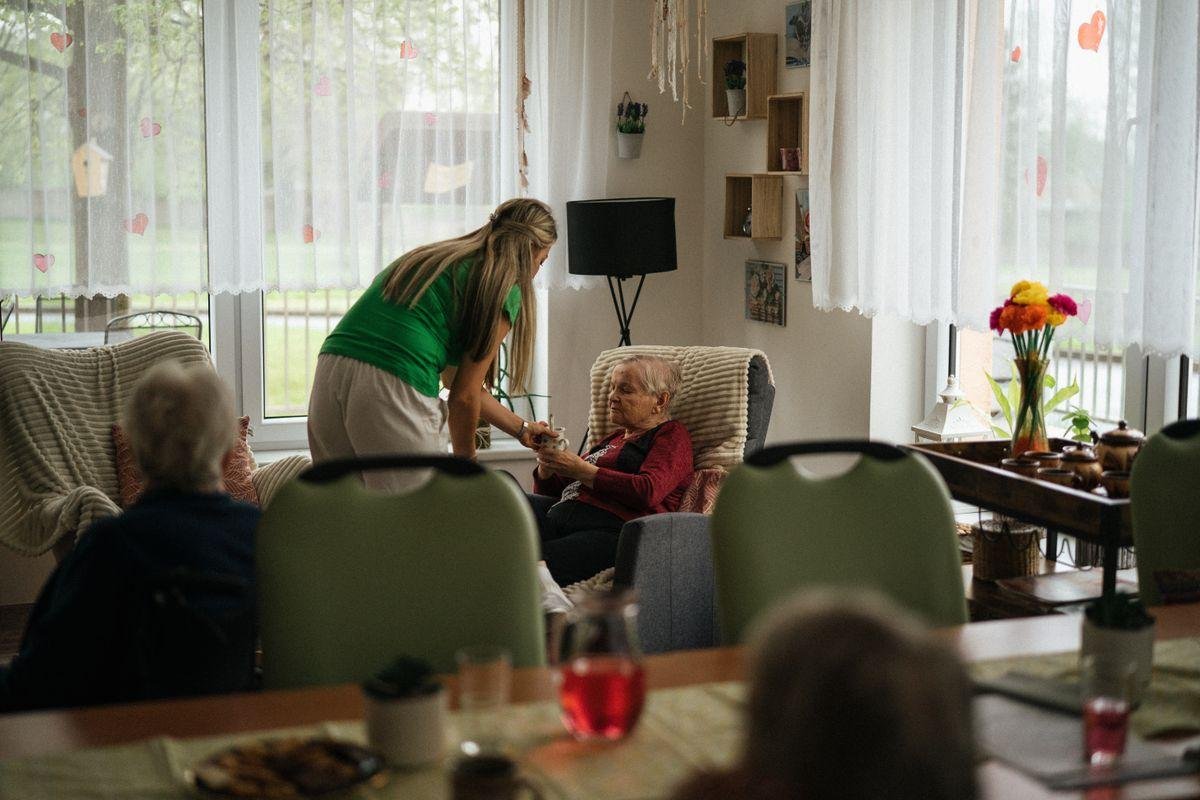
Anyone who cares for others professionally or personally is at risk — and the more intense and sustained the exposure, the higher the risk. Helping roles show consistently high rates: in one Australian study, a majority of emergency nurses reported moderate-to-high compassion fatigue (Australian emergency nurses study, 2020). The caring professions carry an invisible emotional load.
Those especially vulnerable include:
- Nurses and carers, particularly in emergency, aged care, palliative and paediatric settings.
- Doctors and paramedics facing high acuity and long hours.
- Social workers, counsellors and first responders exposed to repeated trauma.
- Family carers looking after an unwell or disabled loved one, often with little relief.
If that is you, the fact that it is common does not make it acceptable to ignore. Compassion fatigue affects not only your wellbeing but, left unchecked, the quality of care you can give.
How Is Compassion Fatigue Different From Ordinary Burnout?
Compassion fatigue is a specific flavour of burnout: its defining feature is a loss of empathy and a dread of caring, driven by exposure to others’ suffering. Ordinary burnout can come from overload in any job; compassion fatigue is particular to work that asks you to feel with people in distress.
| Three states in caring work | |
| State | What it feels like |
| Compassion satisfaction | The reward of caring — meaning, purpose, and connection in your work. |
| Burnout | Exhaustion, cynicism and reduced effectiveness from chronic workload stress (WHO). |
| Compassion fatigue | Emotional numbing and dread of caring from repeated exposure to others’ pain. |
Sources: Figley (cost of caring); World Health Organisation, ICD-11.
The distinction matters because the fix differs. Burnout points to workload and control; compassion fatigue also needs recovery from the emotional residue of the suffering you witness. Most people in caring roles experience a mix — and both respond to support.
How Do You Recover From Compassion Fatigue?
Recovery is not about caring less — it is about protecting the resources that let you keep caring. Because compassion fatigue grows from an imbalance between emotional demand and recovery, the way back is to rebuild recovery and set limits (WHO, ICD-11). You cannot sustainably give what you do not replenish.

What helps:
- Boundaries between work and home — rituals that help you “leave” the shift behind.
- Genuine recovery — rest, sleep, movement, and connection outside the caring role.
- Peer support and debriefing — you are not meant to carry others’ trauma alone.
- Respite for family carers — regular breaks are essential, not optional.
- Professional support — therapy for emotional exhaustion and the stress of caring.
| Our clinical view: The people most prone to compassion fatigue are often the most dedicated. Protecting yourself is not the opposite of caring well — it is what makes caring well sustainable. |
When Should You Reach Out for Help?
If you feel numb to the people you care for, dread going to work, or find the emotional load following you home, it is time to get support. Help for emotional exhaustion can protect both your wellbeing and your ability to keep doing work that matters.
A psychologist can help you process what you absorb, rebuild boundaries and recovery, and reconnect with the meaning in your work. Reaching out early prevents compassion fatigue from hardening into full burnout or depression.
| Caring for everyone but yourself? If giving has left you empty, support is available. Limbic Flow offers help for emotional exhaustion with registered clinicians, including secure telehealth sessions that fit shift work. Get started with Limbic Flow. |
| If you need help now: This article is general information, not personal medical advice. If you are struggling to cope or worried about your safety, call Lifeline on 13 11 14, or 000 in an emergency. |
Frequently Asked Questions
What is the difference between compassion fatigue and burnout?
Burnout is exhaustion, cynicism and reduced effectiveness from chronic workload stress (WHO). Compassion fatigue is a specific type driven by repeated exposure to others’ suffering, whose hallmark is numbed empathy and dread of caring. Most people in caring roles experience a blend of both.
Is compassion fatigue common in healthcare?
Yes. Helping professions show high rates: 71% of Australian GPs reported burnout in the past year (RACGP), and a majority of emergency nurses in one Australian study reported moderate-to-high compassion fatigue (2020). It is an occupational hazard of caring work, not a personal weakness.
Can family carers get compassion fatigue too?
Absolutely. Looking after an unwell or disabled loved one, often without relief, is a classic cause. The same signs apply — exhaustion, numbness, dread, guilt. Regular respite and support are essential, and help for emotional exhaustion is just as relevant for family carers.
How do I recover without leaving my job?
Many people recover by rebuilding boundaries, recovery and support rather than leaving. Rituals to separate work from home, genuine rest, peer debriefing, and therapy all help. The goal is to make caring sustainable, so you can keep doing meaningful work without it costing you everything.
The Bottom Line
Compassion fatigue is the price of caring deeply — and it is manageable.
- It is common across nursing, caring, medicine, and family care, and its hallmark is numbed empathy.
- It is not a sign you care too little — it is a sign your resources are depleted.
- Boundaries, recovery and professional support help you keep caring without burning out.
If the cost of caring has caught up with you, support is a strong next step. Explore help for emotional exhaustion with Limbic Flow.
About this article
Author: Limbic Flow Clinical Team
Medically reviewed by Sophia Tsai, B.S., MIPH and MA. Last updated: 7 October 2026.
This article is general information only and does not replace personalised advice from a qualified health professional. In an emergency, call 000; for crisis support, call Lifeline on 13 11 14.
Sources
- World Health Organization — Burn-out an “occupational phenomenon”: International Classification of Diseases (ICD-11), 2019. https://www.who.int/news/item/28-05-2019-burn-out-an-occupational-phenomenon-international-classification-of-diseases
- The Royal Australian College of General Practitioners — General Practice: Health of the Nation (GP burnout). https://www.racgp.org.au/health-of-the-nation
- Compassion satisfaction and compassion fatigue in Australian emergency nurses: a descriptive cross-sectional study. 2020. https://pubmed.ncbi.nlm.nih.gov/31331839/
- Figley CR — Compassion Fatigue: Coping With Secondary Traumatic Stress Disorder in Those Who Treat the Traumatized. (Foundational concept — the “cost of caring”.)