




If you are autistic, you may know a particular kind of exhaustion that ordinary advice doesn't touch — one where rest helps a little, but the real problem is that you have run out of the invisible energy it takes to cope with a world not built for you. This is autistic burnout, and it is not the same as regular burnout or depression. Research describes it as chronic exhaustion, a loss of skills, and a reduced ability to tolerate everyday sensory input (Raymaker et al., 2020). Understanding it is the first step to recovering from it.
Key takeaways
- Autistic burnout has three core features: chronic exhaustion, loss of skills, and reduced tolerance to stimuli (Raymaker et al., 2020).
- It is distinct from both occupational burnout and depression, with its own causes and recovery path.
- It builds from the cumulative load of masking, sensory and social demands, and barriers to support.
- Recovery centres on reducing that load, unmasking where safe, and getting accommodations — not just "trying harder".
What Is Autistic Burnout?
Autistic burnout is a state of deep depletion specific to autistic people, caused by living long-term with more demand than support. In the first major study to define it, autistic adults described its primary features as chronic exhaustion, loss of skills, and reduced tolerance to stimulus (Raymaker et al., 2020). It is a recognised experience in the autistic community, even though it is not yet a formal clinical diagnosis.
In plain terms: the coping strategies that usually get you through stop working. Things you could manage before — conversations, noise, routines, self-care — suddenly feel impossible. It is not laziness or regression. It is a nervous system that has been running over capacity for too long.
How Is Autistic Burnout Different From Regular Burnout?
The key difference is the cause and the way it shows up. Occupational burnout stems mainly from chronic workplace stress (WHO, ICD-11); autistic burnout stems from the cumulative strain of navigating a world that doesn't fit your neurology — and it is distinct from both regular burnout and depression (Raymaker et al., 2020). The exhaustion runs deeper, and it comes with a temporary loss of abilities that work burnout doesn't typically cause.


| Feature | Occupational burnout | Autistic burnout |
|---|---|---|
| Main cause | Chronic work stress and overload | Cumulative load of masking, sensory and social demands |
| Hallmark | Exhaustion, cynicism, reduced efficacy | Exhaustion, loss of skills, lower sensory tolerance |
| Skills | Usually intact | Can temporarily decline (speech, routines, self-care) |
| Helps recovery | Changing the work conditions | Reducing load, unmasking, accommodations, acceptance |
Sources: Raymaker et al., Autism in Adulthood, 2020; WHO, ICD-11.
What Causes Autistic Burnout?
Autistic burnout builds when the demands of daily life keep outweighing the support available to meet them. Research points to two forces: life stressors that add to a cumulative load, and barriers to support that stop people getting relief from it (Raymaker et al., 2020). Masking — hiding autistic traits to fit in — is one of the most draining of those loads.
Common contributors include:
- Masking and camouflaging — constantly monitoring and suppressing natural responses to appear "neurotypical".
- Sensory overload — noise, light, crowds, and textures that others filter out automatically.
- Social demand — unspoken rules, small talk, and unpredictable interactions.
- Change and uncertainty — disrupted routines and major life transitions.
- Lack of accommodation — environments and expectations that never flex to fit you.
Late-diagnosed adults are especially vulnerable, having often spent years masking without knowing why everything felt so much harder.
How Do You Recover From Autistic Burnout?
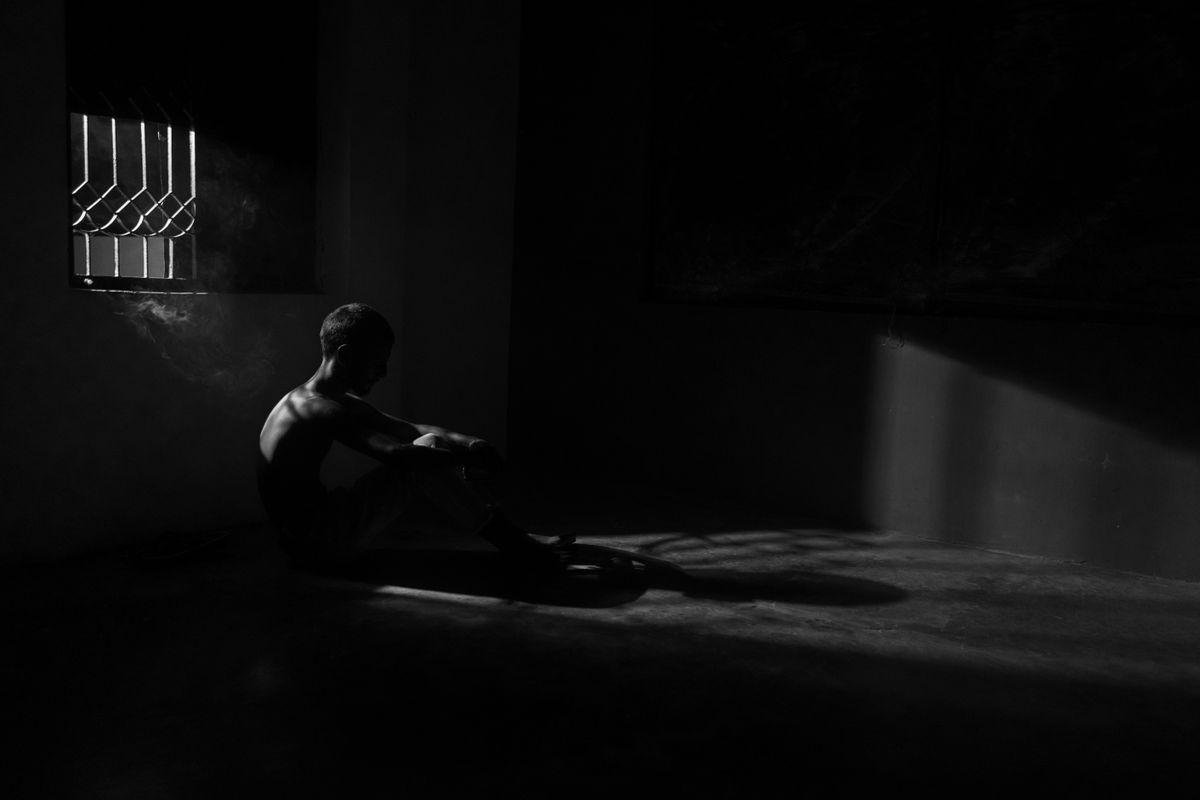
Recovery is about lowering the load and honouring how your brain actually works — not pushing through. In the defining study, autistic adults linked recovery to acceptance, reducing demands, and doing things in an authentically autistic way, rather than forcing themselves back to "normal" (Raymaker et al., 2020). That means recovery looks different from a holiday or a to-do list.

What tends to help:
- Reduce demands — drop what you can, and protect low-stimulation downtime.
- Unmask where it's safe — let yourself stim, rest, and communicate in your own way.
- Manage sensory input — noise-cancelling headphones, dim lighting, quiet spaces.
- Seek accommodations — at work, in study, and at home.
- Get affirming support — from people and professionals who understand autism.
When Should You Get Support?
If exhaustion, loss of skills, and sensory overwhelm have lasted weeks or are affecting your safety, work, or independence, it is worth reaching out. Autism-affirming therapy can help you understand your needs, build accommodations, and recover — and it is especially valuable for late-diagnosed adults making sense of it for the first time.
Support for the emotional exhaustion that comes with burnout can run alongside this. The goal is not to make you "cope better" with an overwhelming world, but to reshape the demands so you don't have to.
Running on empty?
Autistic burnout is real, and recovery is possible with the right, affirming support. Limbic Flow offers autism-affirming therapy with registered clinicians, including secure telehealth sessions.
If you need help now: This article is general information, not personal medical advice. If you are struggling to cope or worried about your safety, call Lifeline on 13 11 14, or 000 in an emergency.
Frequently asked questions
Is autistic burnout the same as regular burnout?
No. Occupational burnout comes mainly from work stress, while autistic burnout comes from the cumulative load of masking and sensory and social demands. Research also finds it distinct from depression, with a temporary loss of skills that regular burnout doesn't usually cause (Raymaker et al., 2020).
What does autistic burnout feel like?
Autistic adults describe chronic exhaustion, a loss of skills they normally have, and reduced tolerance for sensory input (Raymaker et al., 2020). Things that were manageable — conversations, noise, routines — can suddenly feel impossible. It is depletion, not laziness or regression.
How long does autistic burnout last?
It varies widely and can be long-lasting, often persisting while the underlying load stays high. Recovery tends to track with how much the demands ease and how much affirming support and accommodation you can access, rather than with rest alone.
Can therapy help with autistic burnout?
Yes, especially autism-affirming therapy. It helps you reduce demands, build accommodations, unmask safely, and recover on your own terms. It is particularly useful for late-diagnosed adults understanding their needs and burnout for the first time.
The bottom line
Autistic burnout is a distinct, exhausting experience — and it deserves a distinct response.
- Its hallmarks are chronic exhaustion, loss of skills, and reduced sensory tolerance.
- It is driven by masking and unmet needs, not by weakness.
- Recovery means reducing the load and honouring your neurology, with affirming support.
If this sounds like you, affirming help can make a real difference. Explore autism-affirming therapy with Limbic Flow.
About this article
Author: Limbic Flow Clinical Team.
Reviewed by: Sophia F. Tsai. B.S., MIPH., MA.
Last updated: 26 October 2026.
This article is general information only and does not replace personalised advice from a qualified health professional. In an emergency, call 000; for crisis support, call Lifeline on 13 11 14.
Sources
- Raymaker DM, et al. — "Having All of Your Internal Resources Exhausted Beyond Measure and Being Left with No Clean-Up Crew": Defining Autistic Burnout. Autism in Adulthood, 2020. https://www.liebertpub.com/doi/10.1089/aut.2019.0079
- World Health Organization — Burn-out an "occupational phenomenon": International Classification of Diseases (ICD-11), 2019. https://www.who.int/news/item/28-05-2019-burn-out-an-occupational-phenomenon-international-classification-of-diseases